Guided setup

A guided setup journey that gets the store ready before shoppers ever see the widget

SellBot keeps connection status, assistant review, widget setup, and launch readiness in one merchant flow. Instead of guessing what matters next, the team can move through setup in the order that actually makes the assistant usable.

  • See launch blockers before the widget is turned on for real shoppers.
  • Move from install to branded preview without hunting across disconnected admin screens.
  • Keep setup, testing, and launch readiness in one product surface.
Shopify syncWidget previewPolicy reviewLaunch checklist

SellBot AiML

Merchant-controlled launch flow

Storefront ready

One panel, one workflow

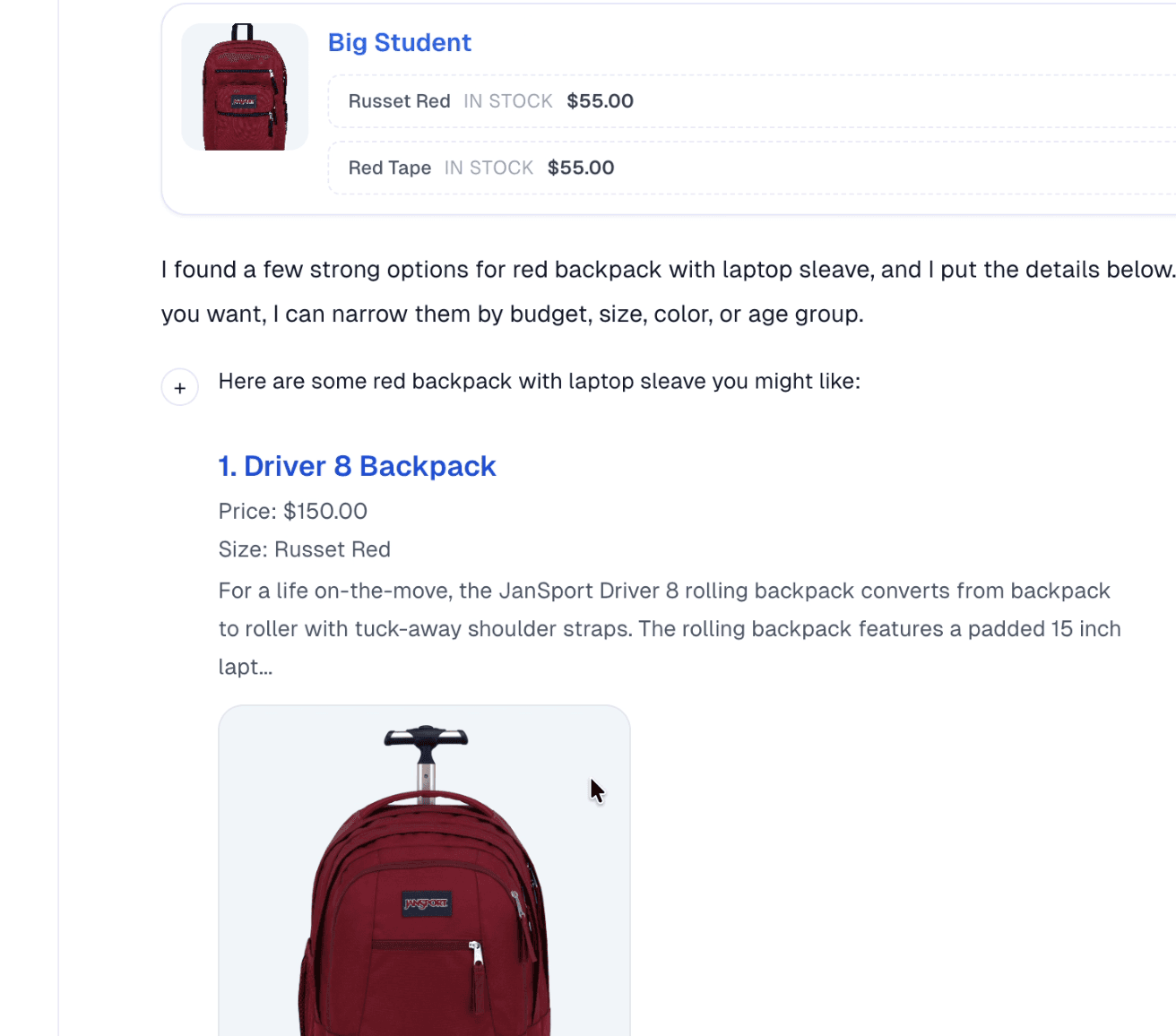
SellBot storefront preview showing a backpack recommendation during setup
Shopify syncWidget previewPolicy review

Step-by-step

Merchant path

Live

Preview mode

Visible

Launch state

What this fixes

Most launch delays are not caused by AI quality. They come from fragmented setup, weak review steps, and no clear path from install to approval.

Best fit for

Shopify teams that want a clear launch path from store connection to approved storefront behavior.

Start from the real store, not a demo configuration

The guided flow works best when it reflects the store that is actually connected. Merchants should be able to see whether the catalog, branding, policy context, and support settings are already in place before they waste time testing the wrong thing.

  • Show what is already connected and what is still missing
  • Use saved shop state to keep setup grounded in the real configuration
  • Move directly from the journey into the screen that needs attention

Review what the assistant will sound like and show

A strong setup flow does more than connect data. It makes merchants confirm the greeting, appearance, policy guidance, and escalation behavior before the assistant is allowed to represent the brand live on the storefront.

  • Preview welcome copy and widget branding in the same workflow
  • Review policy-aware answers before they reach shoppers
  • Make escalation and operator backup part of setup instead of an afterthought

Make launch readiness obvious

The whole point of a guided journey is to remove ambiguity. Merchants should not need to interpret a pile of settings to decide whether the assistant is ready. The journey should make the next step, the current gap, and the launch state explicit.

  • Track completed steps and unresolved blockers
  • Give the merchant a practical next action instead of a generic checklist
  • Turn setup into a measurable launch sequence rather than trial and error

Feature FAQ

Questions teams ask before they put this live

What should a guided setup journey cover for an AI storefront assistant?

It should cover the connection to the real store, the storefront appearance, approved answer behavior, and the final launch state. Those are the steps that determine whether the assistant is actually safe and useful to put live.

Why does launch readiness matter so much here?

Because a storefront assistant affects shoppers directly. If knowledge, branding, or escalation behavior are incomplete, the merchant needs to see that before the widget reaches real traffic.

Is guided setup just a checklist?

Not if it is doing the job properly. A good guided setup flow reflects saved shop state, points to missing work, and tells the merchant what to fix next rather than listing generic steps.

SellBot AiML workflow

Move from install to launch without a broken setup handoff

The guided journey keeps store connection, answer review, and live preview in one flow so merchants can launch from a known-good state instead of piecing setup together across multiple screens.